
Waterwise & Xeriscape Landscaping in Boulder
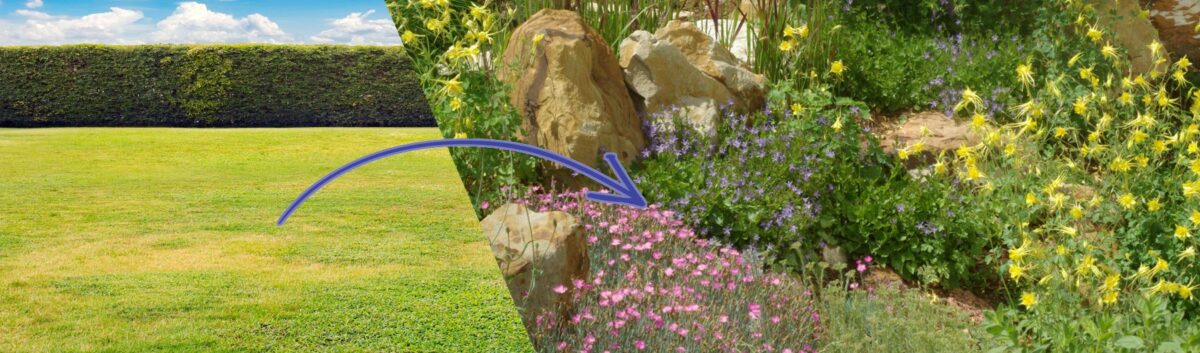
Matrix Gardens designs waterwise and xeriscape landscapes in Boulder Valley, including lawn replacement projects that convert high-water turf into diverse, climate-appropriate gardens. Our approach combines drought-tolerant and native plants, healthy soils, efficient irrigation, pollinator habitat and thoughtful design. The result is not a yard full of rocks and cactus. It is a living Colorado landscape designed to use water carefully while creating a beautiful living space.
The many benefits of waterwise landscaping
Water-wise landscaping in Colorado offers a smart, sustainable approach to creating beautiful outdoor spaces while addressing the state’s naturally dry climate. By choosing drought-tolerant plants, improving soil health, and using efficient irrigation methods, homeowners can dramatically reduce outdoor water use—often by 30–50% or more. These practices not only conserve a precious resource but also lead to significant cost savings on monthly water bills, especially during peak summer months when rates are highest. Water-wise landscapes also tend to require less maintenance over time, lowering costs for mowing, fertilizing, and upkeep. Additionally, they create resilient yards that thrive through drought cycles, support local biodiversity, and increase property value by showcasing thoughtful, climate-appropriate design.
What Is Xeriscape Landscaping?
Xeriscaping is water-efficient landscape design. It does not mean “zeroscaping,” bare gravel, or a sparse desert aesthetic. In Boulder, a xeriscape can be lush and colorful when plants are selected for the site, grouped by water needs, supported by healthy soil and irrigated efficiently. Matrix Gardens has worked this way for decades because water conservation and plant-rich design belong together.
Restore the Land to its Natural State
Replacing your lawn with drought-tolerant plants that are indigenous to Colorado is a great investment for your pocketbook and the larger ecosystem.
Colorado’s perennials, shrubs, trees and grasses—including cultivars, edible plants for people, and pollinator-friendly plants that promote healthy bee, insect and bird populations—are drought-tolerant plants that are at once beautiful and more in tune with the natural landscape and its resources.
Indigenous Colorado plants have several key benefits over lawns:
- They require little to no water after properly established.*
- They require no pesticides.
- They require no mowing.
- They are heat tolerant.
- They promote soil vitality.
- They attract pollinators that contribute to a healthy local ecosystem.
- They are a native and natural alternative to bluegrass lawns.
* Xeric plants often only require water until established (about 2-3 years) and then need little to no additional water. Therefore, waterwise plants can save between 30-50 gallons of water per square foot annually, compared to bluegrass lawns covering the same area.
Swaths of Kentucky bluegrass and its ilk became the default landscaping choice in 1950s America, when manicured and predictable bluegrass lawns became a middle-class status symbol. Prior to that, most residential landscapes were a diverse mix of local grasses, trees and wildflowers, with a large percentage often devoted to a family’s personal agricultural use. The post-WWII rise of lawns were seen as a symbol of orderly progress. Now we understand the toll they take on water resources and pollinator populations. Indeed, lawns seem increasingly anachronistic in an age with so much stress on natural resources.
Lawn Replacement in Boulder
For homeowners who want less turf, Matrix Gardens can redesign lawn areas as planted landscapes with native grasses, flowering perennials, shrubs, edible plants, paths and gathering spaces. Lawn replacement can reduce the amount of mowing and irrigation devoted to bluegrass while creating more seasonal color and habitat.
A successful conversion is more than removing grass. The design has to account for sun and shade, soil, drainage, existing trees, irrigation, how the space is used, and how much maintenance the homeowner actually wants. That is where a custom landscape plan earns its keep.
A River in Crisis
In 2015, the Colorado River became America’s most endangered river. The twin threats of increased demand due to burgeoning populations in West, and a shrinking supply due to persistent drought, portend a “slow-motion disaster.”
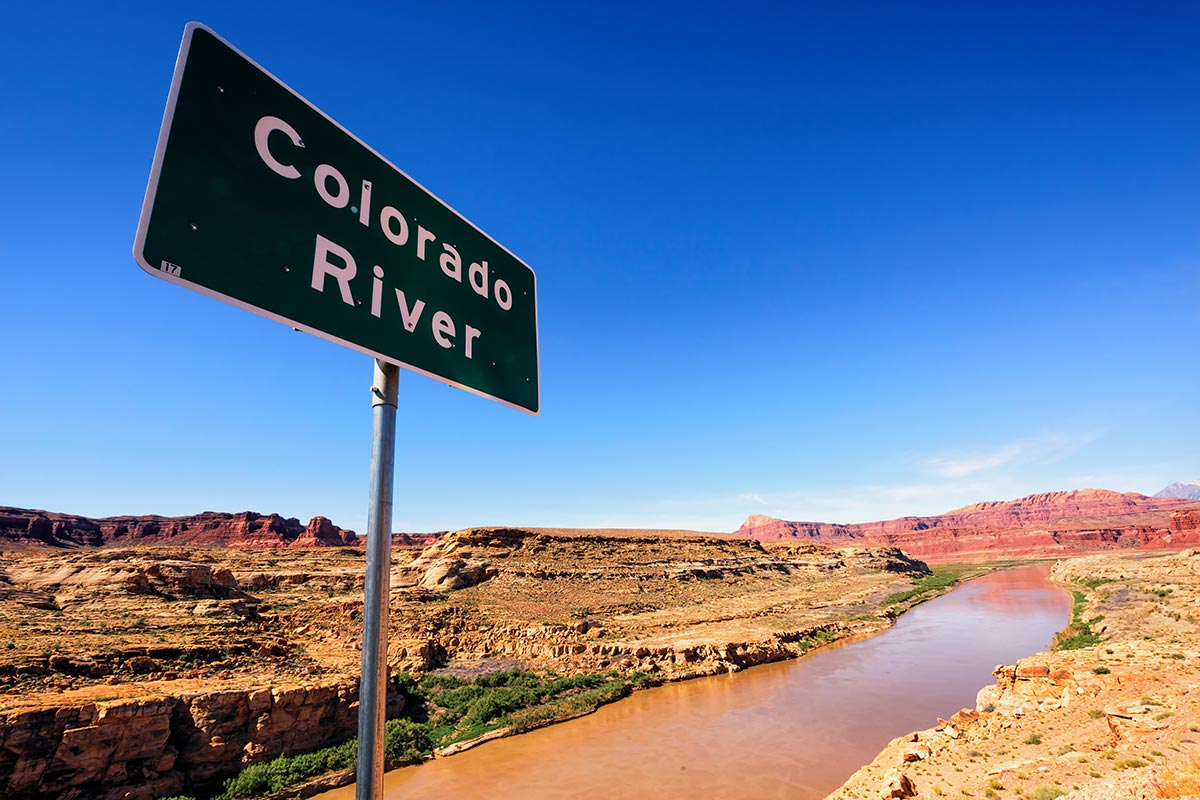
Currently seven Western states are locked in a protracted battle over the river’s water distribution. The two major reservoirs that rely on flows from the Colorado River, Lake Powell and Lake Mead, are at record low levels, and they supply electric power and water to millions of people. Unless the current water-use trajectory is reversed, the entire system could collapse.
About half of all residential water is used on non-native lawns. Furthermore, outdoor water use accounts for 38% of all municipal demand each year, mostly dedicated to landscaping and irrigated grass in public areas.
We must all reshape our thoughts about lawns and landscaping, because our current paradigm is not sustainable. Municipalities and individuals across the West need to take the responsible key step of replacing high-water-use grass with drought-tolerant, indigenous plants. This will increase water security for the region, reduce water bills, help support healthy, flowing rivers, and create bee and bird habitat.
Where We Work
Matrix Gardens provides waterwise landscape design, xeriscape design and lawn replacement in Boulder and throughout the greater Boulder Valley, including Erie, Lafayette, Longmont, Louisville and Niwot.
Frequently Asked Questions
Is xeriscape just rock and cactus?
No. Xeriscape is a water-efficient design approach. A well-designed Boulder xeriscape can be densely planted, colorful and full of native grasses, perennials, shrubs and trees.
Can Matrix Gardens replace an existing lawn?
Yes. Lawn replacement is already part of Matrix Gardens’ waterwise work. The new landscape can combine native and drought-tolerant plants with paths, patios, edible plants or other features suited to how you use the property.
Do xeric and native plants need water?
Yes, especially while they establish. Water needs vary by plant and site, and even drought-tolerant landscapes need thoughtful irrigation during establishment and during unusually hot or dry conditions.
Does waterwise landscaping have to look wild?
No. Matrix Gardens’ portfolio ranges from contemporary and structured to loose and naturalistic. Water use is a design constraint, not a style prescription.
Contact Matrix Gardens today for a free lawn replacement consultation.